
Checkpoints: Guardians at the gateway
USAFA graduates are helping to shape America's space future at Vandenberg
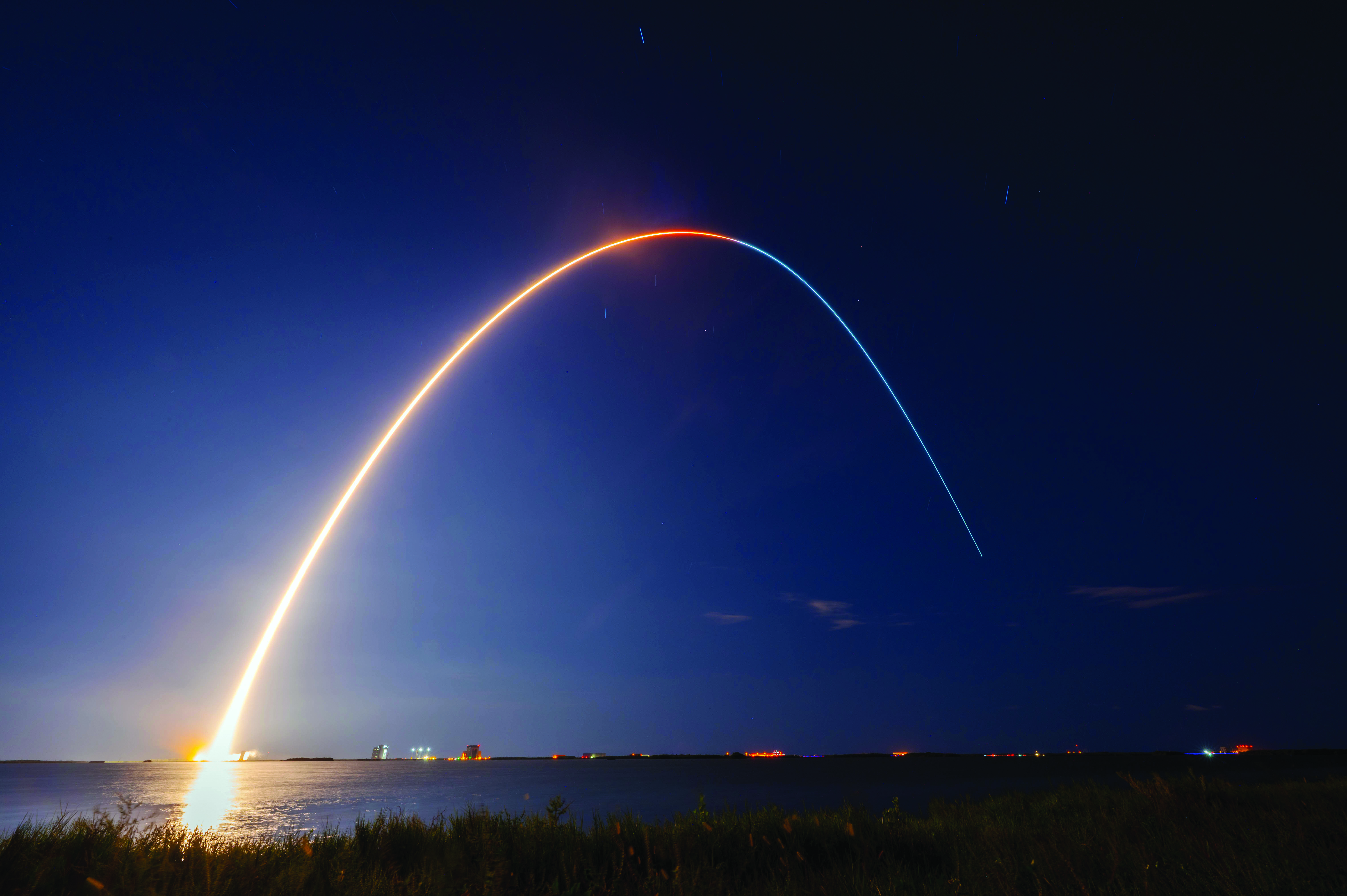
The ground shakes as another rocket lifts off from Vandenberg Space Force Base, its fiery exhaust painting a brilliant streak across the California sky. For Col. Krista St Romain ’03, commander of Space Delta 1, it’s a teaching moment for students witnessing the spectacle during a 2-mile morning run.
“We slowed down for a second to watch the launch,” she recalls. “It is an incredible opportunity to deepen our connection to the Space Force mission by observing spacepower dominance in action. This experience inspires our newest guardians to excel in their training and develop into the tactical experts for mission success in operations.”
This scene of new guardians training while rockets launch overhead captures the transformation underway at America’s western gateway to space. What began as a Cold War missile base has evolved into a bustling spaceport where U.S. Air Force Academy graduates are building the future of space operations amid record-breaking launch tempos and evolving threats.
The New Space Race
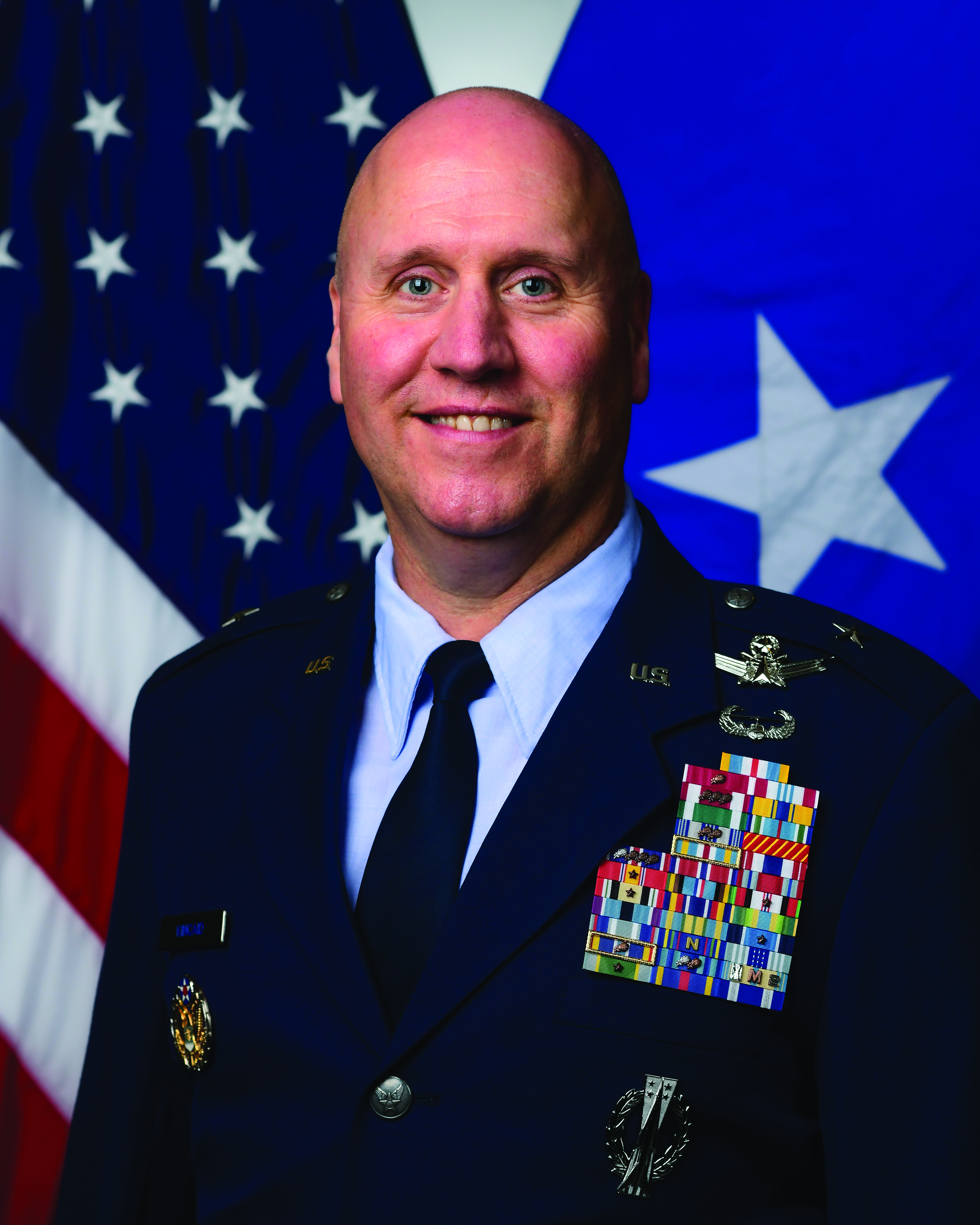
Space has transformed from a sanctuary to a war-fighting domain. “The Chinese Communist Party, through the People’s Liberation Army, expects space to play an important role in future conflicts,” warns Brig. Gen. Frank Kincaid ’94, deputy commander of U.S. Space Forces-Space, who oversees command and control of space operations through five geographically dispersed operations centers. Established in December 2023, Space Forces-Space serves as the Space Force component to U.S. Space Command, leading approximately 17,000 personnel across 50 tactical units.
RECORD-BREAKING LAUNCH TEMPO AND EVOLVING THREATS TRANSFORM CALIFORNIA’S HISTORIC SPACEPORT INTO THE SPACE FORCE’S PROVING GROUNDS
The command operates around the clock, presenting combat-ready forces to combatant commanders worldwide. “Space is of vital national interest, and the intensifying strategic competition presents a serious threat to U.S. national security interests in, from and to space,” Gen. Kincaid says. The threats have multiplied since 2007, when China destroyed one of its own weather satellites with a direct-ascent anti-satellite weapon, creating thousands of pieces of debris that still endanger spacecraft today. China has launched objects 30,000 kilometers into space and, in January 2022, demonstrated its ability to grapple and move other spacecraft when its Shijian-21 satellite moved a derelict BeiDou navigation satellite.
Russia also views space as a warfighting domain and has tested air-launched systems from MiG-31 aircraft, such as the Burevestnik anti-satellite missile capable of destroying targets in near-space. For Gen. Kincaid, protecting and defending space capabilities against threats is personal. His journey from cadet to general officer included a transformative deployment in 2007 with the Marines to Fallujah, Iraq, where he experienced space capabilities on the ground: satellite imagery, GPS, SATCOM radios and UAV feeds. Sitting in a Humvee under fire, using all those space effects, changed his perspective forever. “There is some 19-year-old Marine out there who is getting to the right place, surviving and getting home, which is completely enabled by these space capabilities,” he says. “It has to be taken seriously, and it has to be protected, because they can’t do that job without it. That experience changed how I approach leading in the space domain.”
'Business is booming'
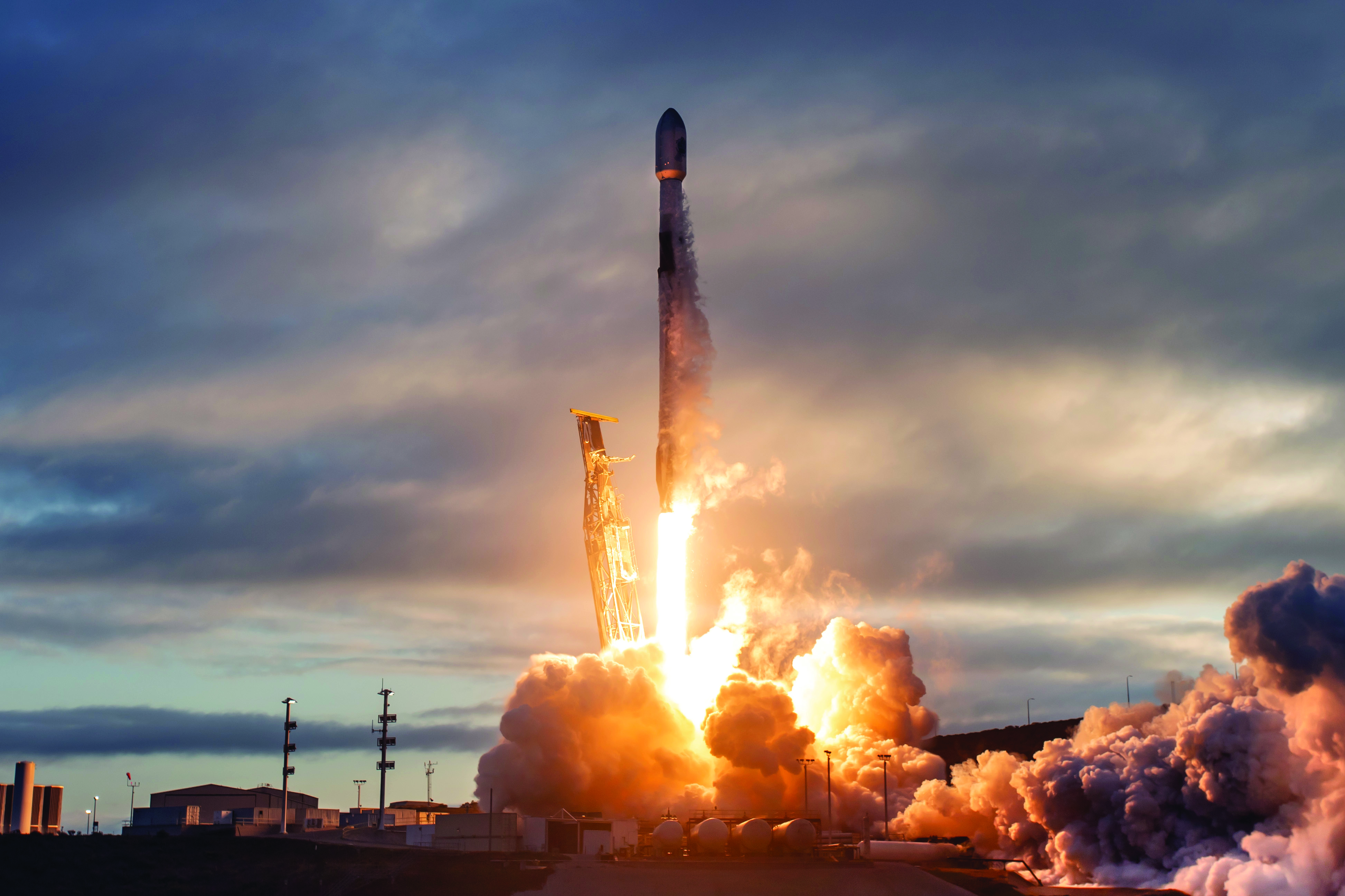
Vandenberg’s operational tempo tells the story of America’s response to these threats. The base launched 51 rockets in 2024, breaking its own record from 1974.
“We’ll likely hit around 70 launches this year, breaking the record again,” says Col. James Horne III ’00, commander of Space Launch Delta 30, Vandenberg’s host unit, who also oversees the Vandenberg Spaceport and the Western Range. “Business is booming.”
A business management major who later became chief engineer for the Atlas V rocket, Col. Horne embodies the Academy’s ability to produce adaptable leaders.
“I wanted to be an engineer, but my math background was a little weak and I couldn’t recover in time to get the four-year degree,” he recalls.
Yet he occupied engineering billets throughout his career, learning from sharp engineers and building on his Academy foundation. Even this launch veteran, who was previously stationed at Vandenberg in 2017, was surprised by Vandenberg’s transformation when he took command in July. Beyond the launch pads, the base now coordinates all Pacific test operations, supports Edwards Air Force Base flight tests, lands hypersonic vehicles at a rate of about two a month, hosts homeland defense alert operations and houses the 18th Space Defense Squadron tracking every object in space.
A complex ecosystem
This growth requires orchestrating 42 mission partners, each bringing unique capabilities to Vandenberg’s expanding portfolio. Team Vandenberg meets regularly to deconflict everything from rocket launches to road construction. “It literally takes the entire base to launch a rocket,” Col. Horne emphasizes. Fire protection, security cordons, emergency operations, safety personnel and logistics must all synchronize perfectly. “At any given time we could be doing utilities or road work that could block certain operations from happening,” Col. Horne says.
The mission partners span the national security space enterprise. NASA uses Vandenberg exclusively for polar orbit satellite launches. The Missile Defense Agency conducts missile defense testing while maintaining on-alert interceptors. The 377th Test and Evaluation Group brings intercontinental ballistic missile expertise from Kirtland Air Force Base, New Mexico. Space Forces-Space maintains a major presence while commanding combat forces in space superiority operations. Boeing and Lockheed Martin operate facilities. The Combined Space Operations Center executes 24/7 command and control of space forces. Infrastructure improvements totaling $800 million next fiscal year support this growth, including a massive Sentinel facility for next-generation nuclear missile testing. For the first time in Vandenberg’s history, a cyber squadron — the 630th — will be stood up to defend launch networks from attack.
Digital innovation and artificial intelligence help optimize operations through the first digital model, or “twin,” of a spaceport.
CREATING THE GUARDIAN CULTURE
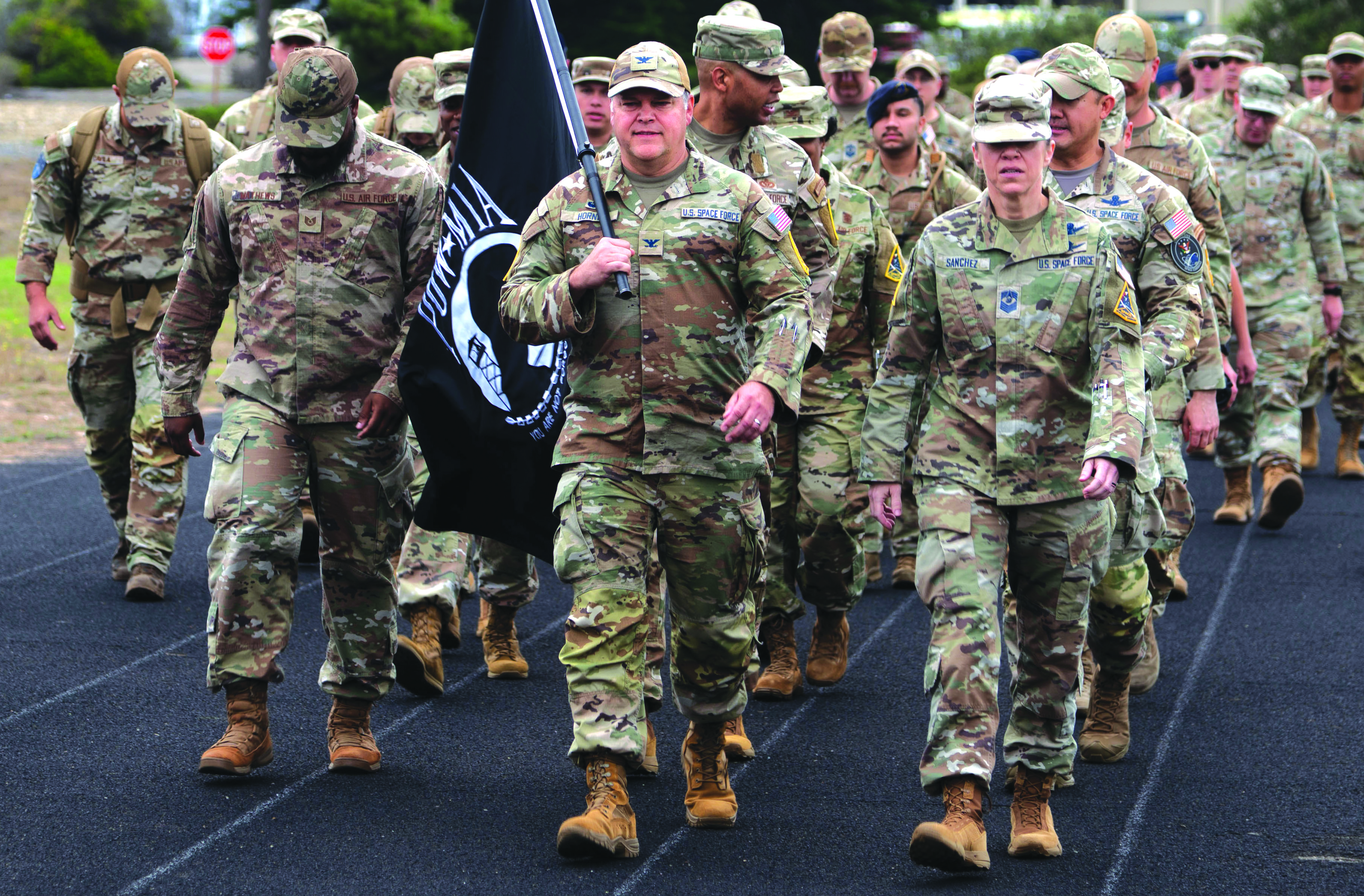
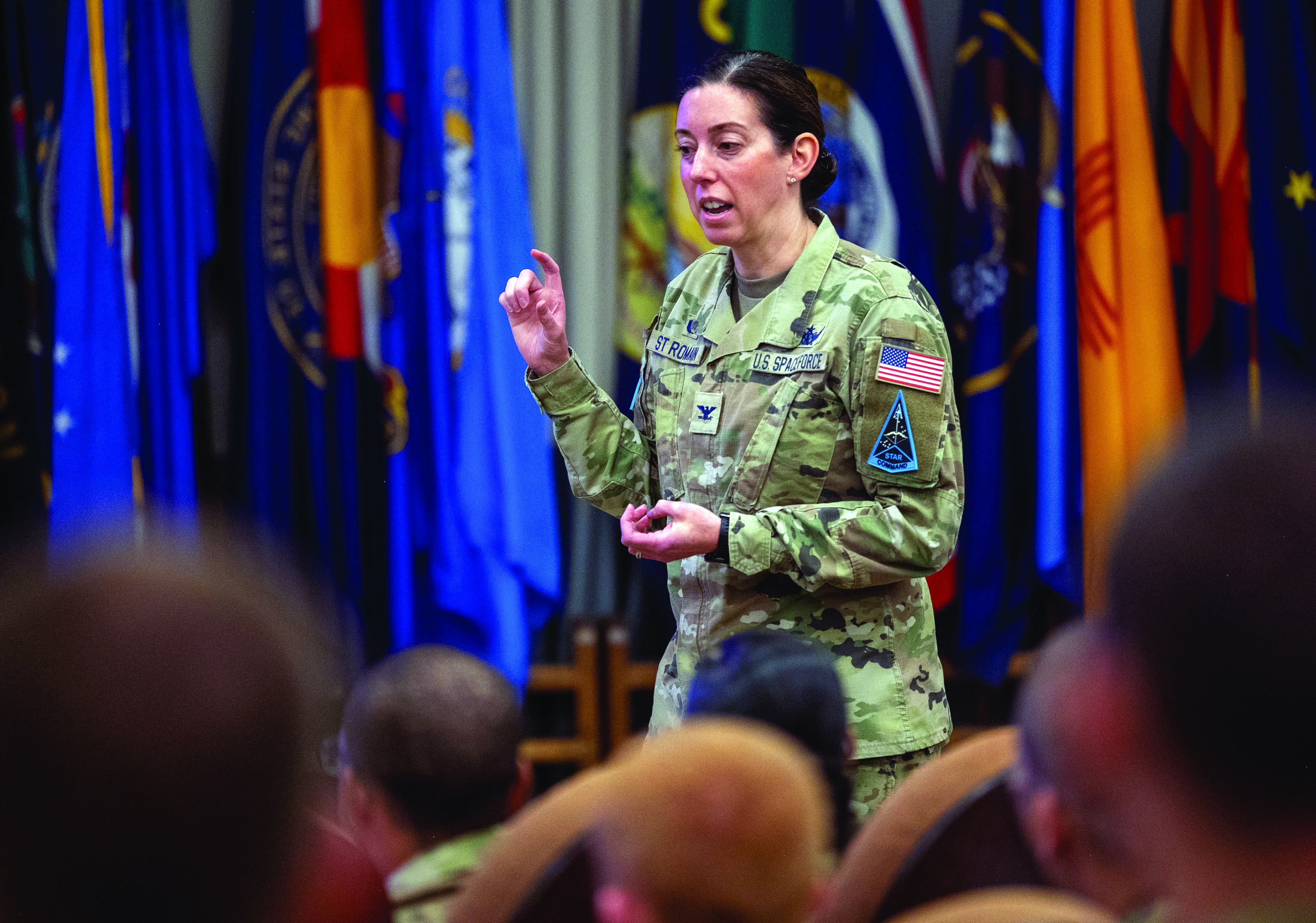
While rockets dominate the skyline, Space Delta 1 shapes something more enduring: the Space Force’s culture. Unlike traditional services producing specialists, the Space Force creates multi-disciplinary leaders who understand space, cyber, intelligence and acquisitions. “Our mission is to create our nation’s guardians,” says Col. St Romain. “They are uniquely trained from Day 1 for space operations in a warfighting domain.” The energy from these first-generation guardians keeps leaders motivated. “It’s an energy I’ve never felt before,” Col. St Romain says. “That’s what gets me up in the morning.” Capt. Devin Doyle ’20 helps channel that energy as part of Delta 1’s Commander’s Action Group. Part of USAFA’s first cohort to commission directly into the Space Force, Doyle eventually taught enlisted, officer and civilian courses. She was handpicked to develop the first-ever civilian guardian training over three proof-of-concept iterations. “Being part of the first generation is about defining what it means to be a guardian,” Doyle explains. “We’re not just transferring practices from other branches; we’re forging our own identity, values and culture.”
The Space Force pioneers radical departures from traditional military structures. Members can shift between sustained duty (full-time) and non-sustained duty (part-time) status without bureaucratic delays. Since September 2024, all newly commissioned officers attend a 12-month Officer Training Course at Peterson Space Force Base, Colorado, covering all space disciplines — satellite operations, intelligence, cyber operations and acquisitions — rather than specializing immediately. Even families participate in the service’s culture. At Basic Military Training graduations, new guardians present Delta-shaped Space Force family lapel pins to their loved ones — a tradition that began in December 2023. Col. Amy Horton ’01, an Air Force reservist who serves as backup commander for Space Launch Delta 30, witnessed this cultural innovation firsthand. “I know that I cannot serve without the support of my family,” Col. Horton says. “My parents and children step up and support me while I am away. As a small service, the Space Force recognizes the value of the families of our guardians. Our success depends not only on the dedication of our guardians but also on the support of their families, who stand behind them every step of the way.”
TESTING AMERICA’S ARSENAL
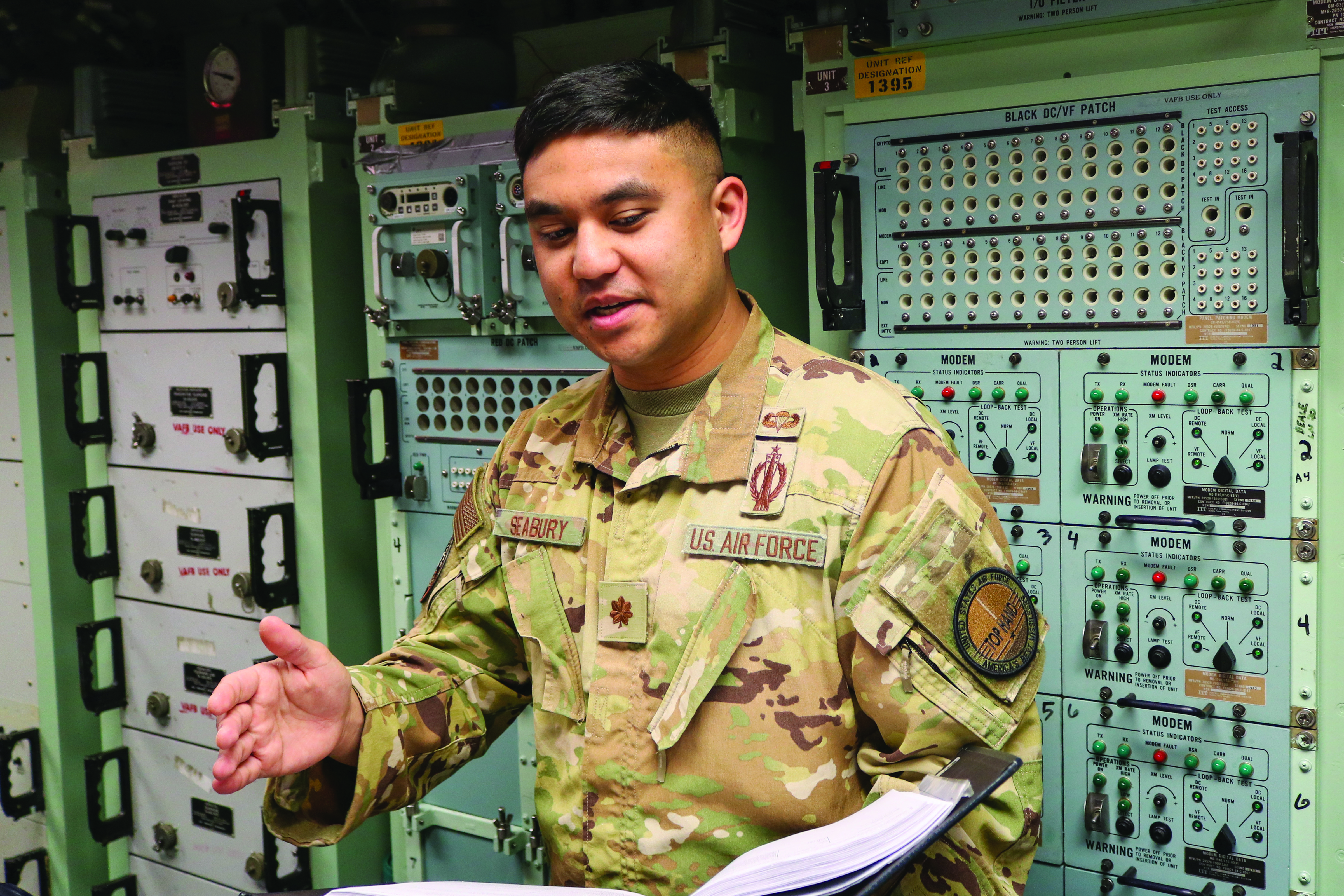
Beyond launches, Vandenberg serves as America’s premier aerospace testing range. The 377th Test and Evaluation Group — the only dedicated intercontinental ballistic missile test unit in the Department of War — validates the nuclear deterrent through end-to-end testing. “Our weapon system is utilized every single day to deter the adversaries of the United States and reassure our allies,” explains Maj. Jacob Seabury ’15, chief of ICBM Ground Test and Evaluation. “These test launches are routine and periodic, designed to demonstrate that our most responsive nuclear deterrent remains safe, secure, reliable and, most of all, effective.” Four times yearly, his team launches ICBMs to Kwajalein Atoll, 4,200 miles away. The weapon system components, as well as a contingent of operators and maintainers, travel from the operational ICBM wings to prepare and execute these flight tests. For safety, operational test launch sorties are capable of in-flight command-destruct to terminate the launch during the boosted phase of flight. While not present on operational ICBMs at the missile wings, this function reaffirms Vandenberg’s commitment to conduct operationally realistic, yet safe, operations. The juxtaposition between space-age operations and Cold War-era technology creates surreal moments. “Our operators in the Launch Control Center continue to use an integrated trackball to interact with the weapon system,” Seabury notes. “While many of our infrastructure systems continue to use some form of magneto-optical media, we are seeing a lot more modernization efforts.”
WHERE GOVERNMENT MEETS COMMERCIAL
The Space Force’s commercial partnerships have revolutionized space access. After failures in the 1980s and 1990s costing billions, the government created mission assurance programs that put military personnel directly into commercial operations.
First Lt. Katherine Crabtree ’23 exemplifies this new model. A business management major drawn to innovation, she monitors rocket propulsion as a launch vehicle manager for United Launch Alliance’s Vulcan rocket.
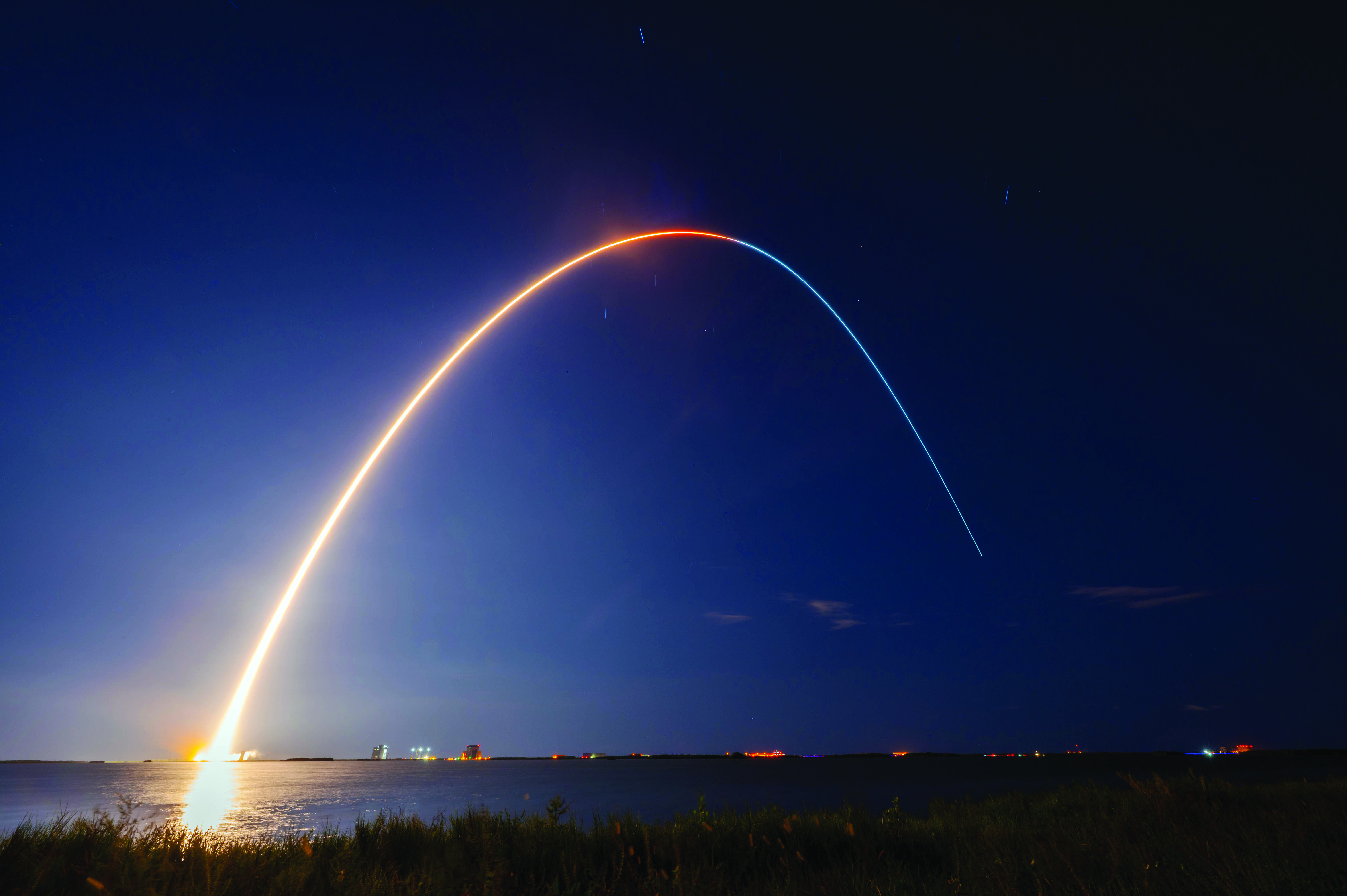
The Vulcan rocket launched in August from Cape Canaveral Space Force Station in Florida, carrying Space Force satellites into orbit. “I never thought I would be learning rocket science in my day-to-day life and be held accountable for that,” Crabtree says. The amount of responsibility so early in her career surprises her.
“You often hear that as an LT, you’re only going to be stocking the snack bar and not have responsibility,” she says. “This morning, I was out at the launchpad looking at the construction on Space Launch Complex 3. I was accountable for the daily report. It’s the best surprise ever to get actual work experience at the age of 24. I’m proud to be a part of it.”
Government teams partner with SpaceX, ULA, Firefly, Relativity Space and Rocket Lab, creating accountability while fostering innovation. They support launches from both coasts simultaneously, leveraging technology to be on console at Vandenberg and Cape Canaveral.
THE HIDDEN INFRASTRUCTURE
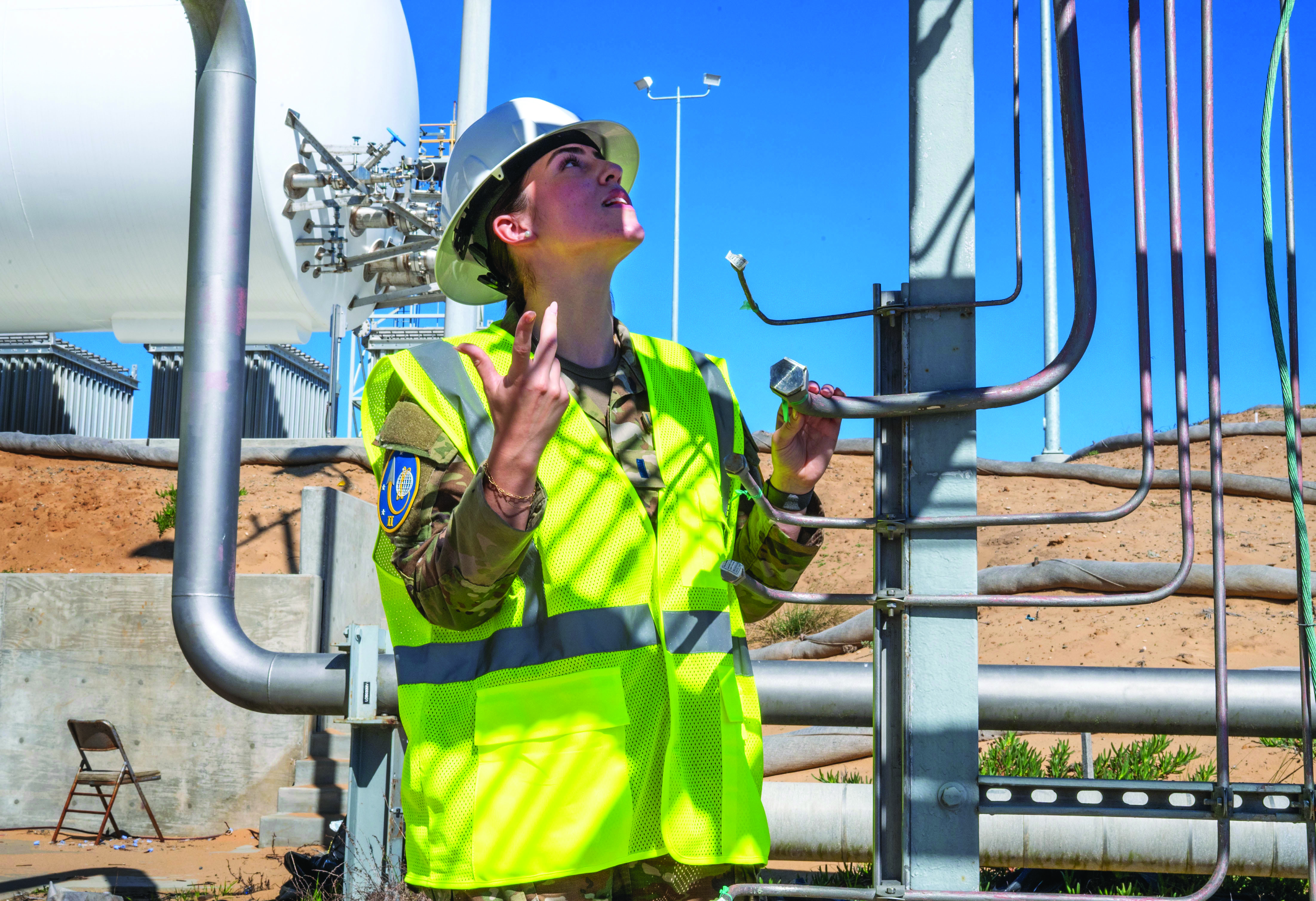
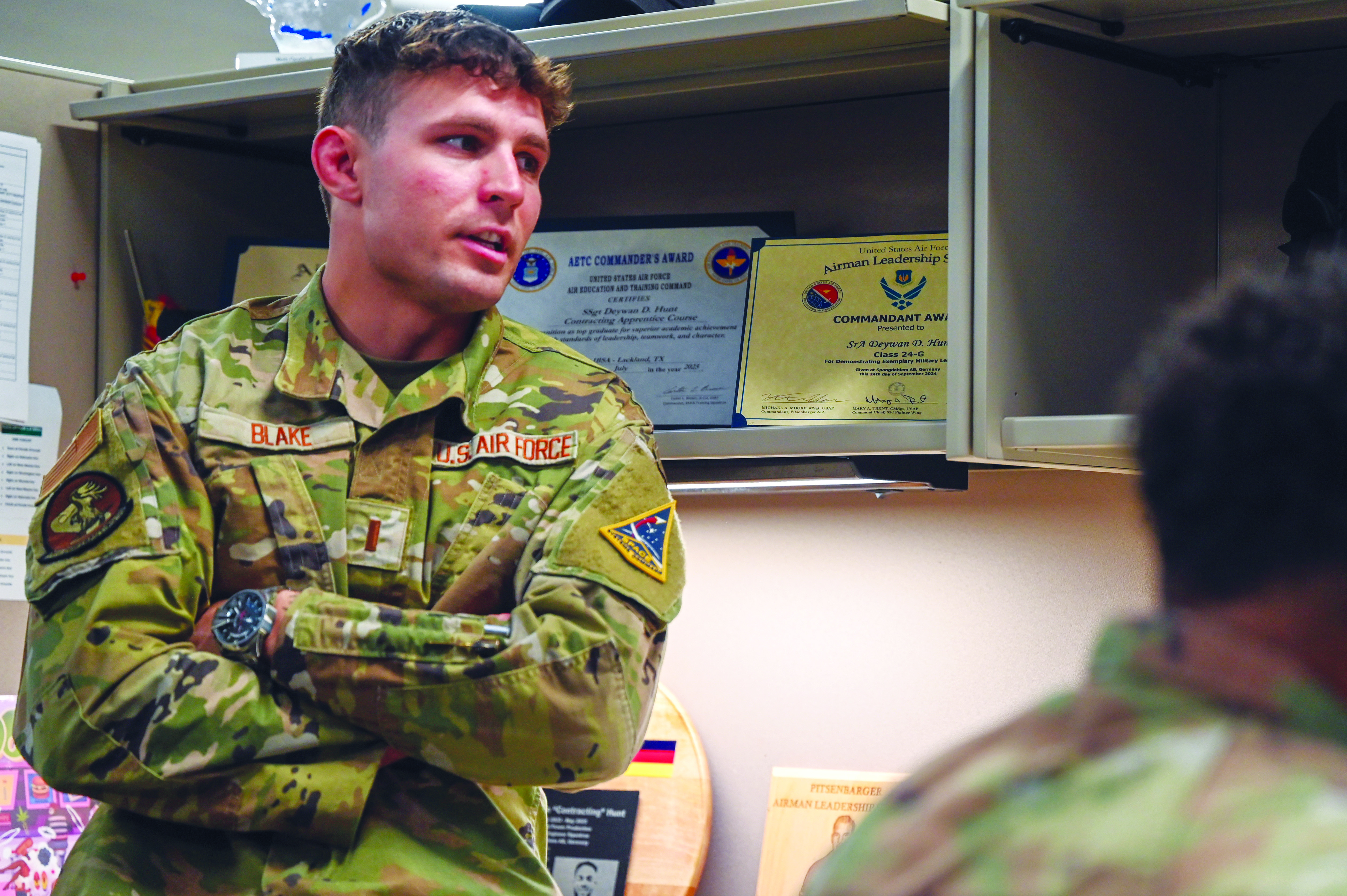
Every mission depends on support functions most never see. “I was actually the most surprised at how integrated the Air Force support functions are into space launch,” Col. Horton says. “Without the civil engineers, the security forces, the firemen, even our weather folks, we cannot launch anything.” Her diverse background — flight test, teaching, acquisitions and joint operations — brings fresh perspectives to entrenched problems. One night, as acting commander, she handled an unexpected crisis: A human skull washed up on a nearby beach along the Pacific Ocean. After determining the remains were 150 years old, the Santa Ynez Band of Chumash Mission Indians — a federally recognized tribe of Indigenous people from that region — handled them according to their customs. Environmental stewardship at Vandenberg adds complexity. Space Launch Delta 30 personnel carefully protect 16 endangered species while launching rockets weekly. Civil engineers balance these competing demands, working with federal agencies to be, as Col. Horne puts it, “good stewards of the environment while still enabling us to do all the things we must do for the nation.” Supporting this ecosystem requires expansive contracting. Second Lt. Noah Blake ’24 manages everything from sonic boom wildlife research to $800 million in infrastructure improvements. A USAFA wrestler who sells real estate and trains jiu-jitsu on the side, he credits the Academy for his ability to rapidly research unfamiliar topics. “Knowing how to do research, I can rip through different documents on Google and break things down really well,” Blake says.
Leading Innovation
Young officers across Vandenberg carry unprecedented responsibility. Gen. B. Chance Saltzman (see p. 18), chief of space operations for the U.S. Space Force, confirmed this is intentional. “The Department of Defense requires highly experienced personnel to do the work that’s required,” Gen. Saltzman told Checkpoints. “We’ve had to take younger people and step up to more senior responsibilities, and I’ve just been really proud of how we’ve responded.” They brief Congress, interface with Fortune 500 CEOs and shape billiondollar programs. Unlike traditional deployments, they deploy in place, driving from their homes to operate satellites or counter threats thousands of miles overhead. Building warrior ethos without deployment hardships requires creative leadership. Gen. Kincaid found the answer from a Marine colonel in Iraq. “If you do anything to find, fix, target, track, engage or assess an enemy, you are part of this fight, and that makes you a warfighter,” Gen. Kincaid remembers the colonel saying. International partnerships multiply America’s space power. Operation Olympic Defender brings together the Five Eyes nations [Australia, Canada, New Zealand, the United Kingdom and the United States] plus France and Germany. “One of our greatest advantages is our allies and partners around the world,” Gen. Kincaid emphasizes. “Being able to cooperate and have a mature space defense partnership allows us to do some burden sharing and leverage capabilities across the board.”
Forging the Future
As these graduates shape the future from California’s Central Coast, transformation shows in details large and small — from building a digital twin of the spaceport to spontaneous “Ask Me Anything” sessions in dining facilities, where young guardians pepper leaders with questions. For Col. Horton, the Reserve offered unexpected fulfillment after leaving active duty. “My first Reserve assignment with the 302nd Maintenance Group left me reinvigorated and inspired to serve,” Col. Horton says. “During my time at USINDOPACOM, I gained a deeper understanding of how the Space Force mission is vital to supporting the warfighter. Now, I have the privilege of contributing to the Space Force mission at Vandenberg. Witnessing the incredible accomplishments of the entire team during each launch or test mission has been an honor and an adventure.” For Crabtree, joining the first Space Force generation means pioneering uncharted territory. “Being a part of the first of anything means that you are on the ground and your opinion is very heavily noted to shape the future of space.” The mission’s importance resonates across generations, from Gen. Kincaid, whose first orders still said Strategic Air Command, to Blake managing contracts months after commissioning. As Vandenberg prepares for more growth, including new launch complexes, expanded training pipelines and hypersonic test facilities, these Academy graduates stand ready. In an era when space enables everything from emergency response to global commerce to homeland defense, their work has never been more critical. They’re not just launching rockets or tracking satellites. They’re securing America’s future in a domain where one day’s advantage might determine the next century’s balance of power. Looking toward a future where terrestrial conflicts will potentially be won or lost in orbit, Gen. Kincaid emphasizes, “If you can find ways to enhance our ability to ensure freedom in space, then do it, because space is definitely something worth fighting for.”