Checkpoints: High Stakes
USAFA grads leading in aviation and defense industries — where failure isn’t an option
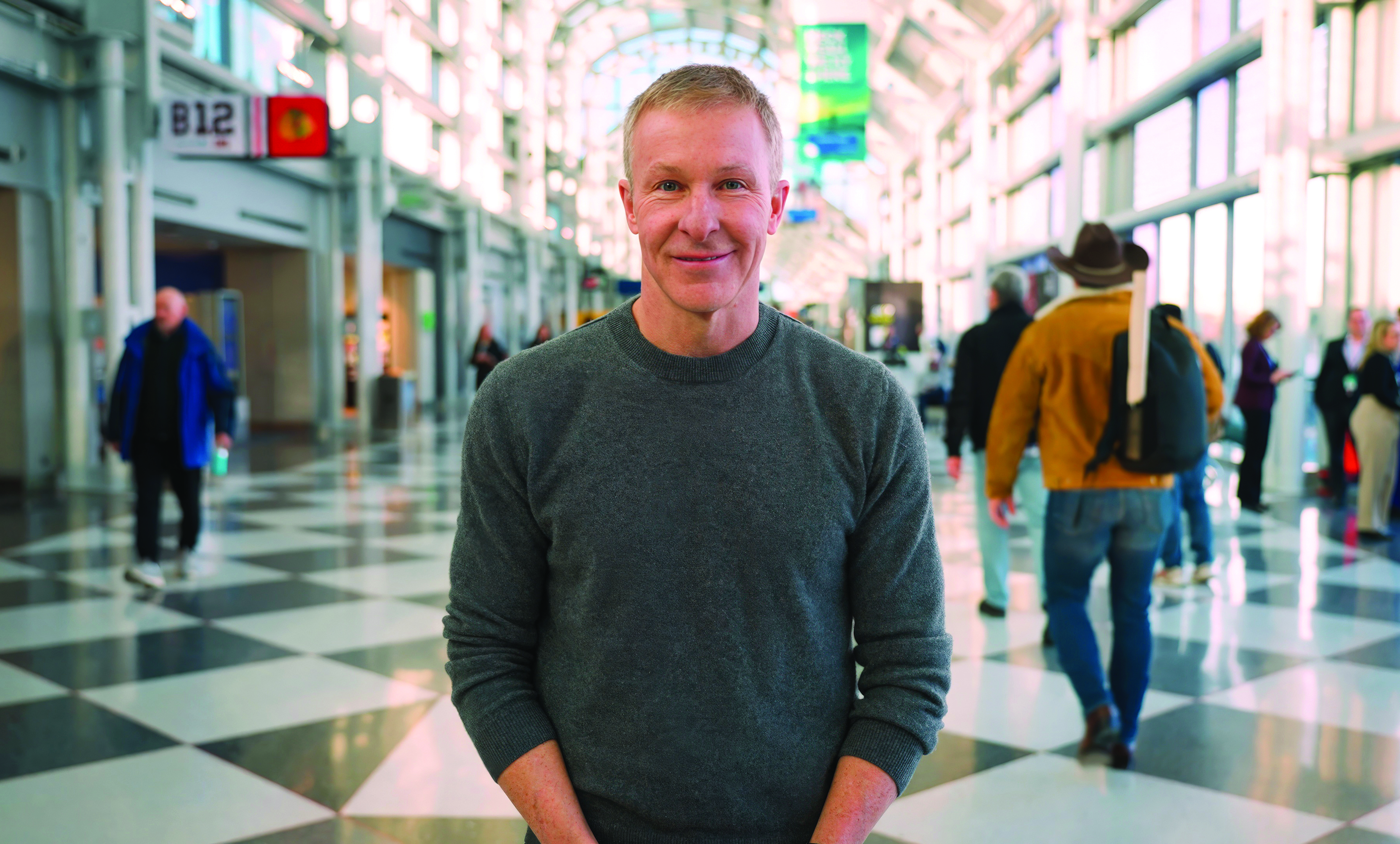
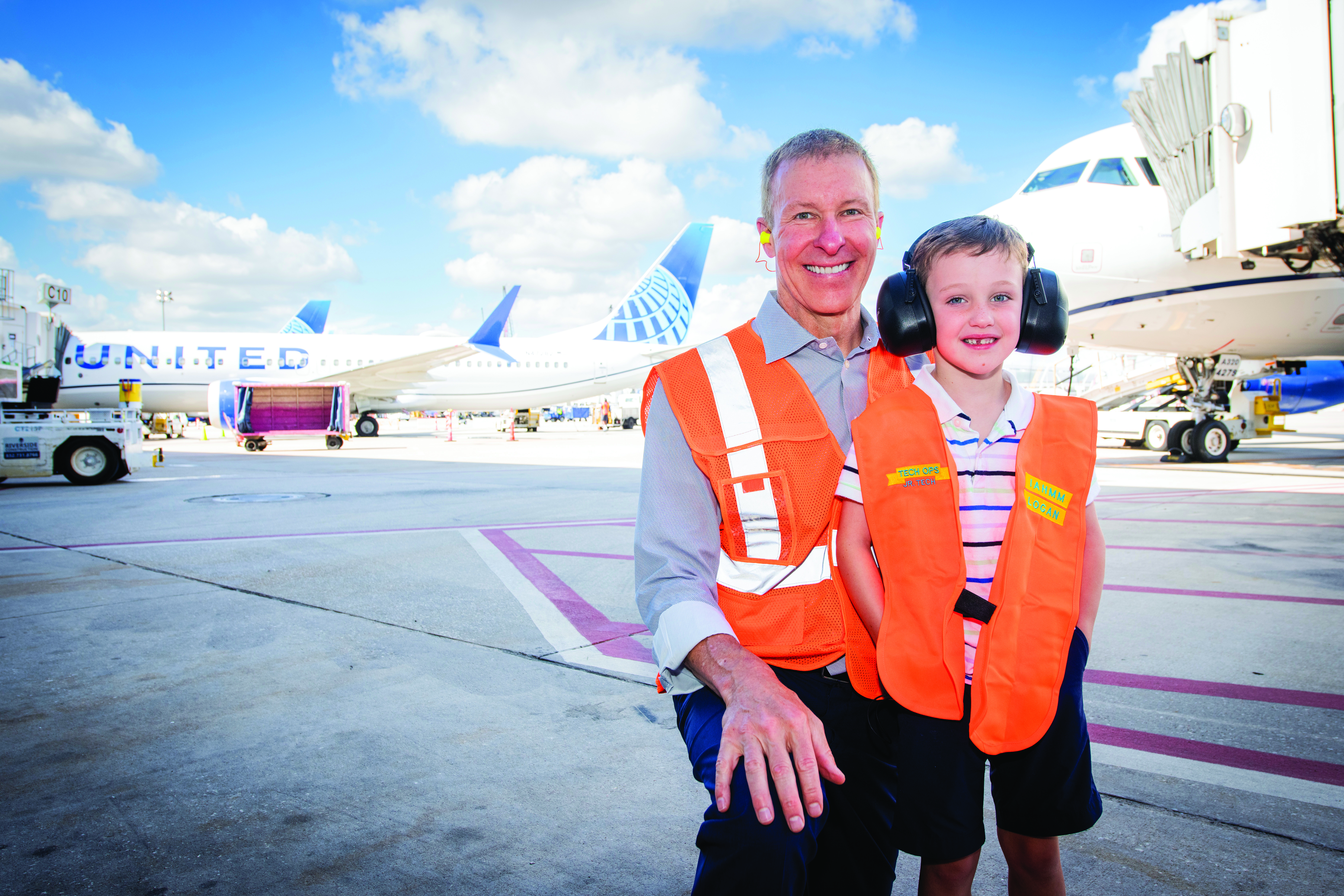
Scott Kirby ’89 stands in front of a national television camera fielding questions about an airport that has, for reasons entirely outside his control as CEO of United Airlines, briefly lost the ability to talk to its own airplanes.
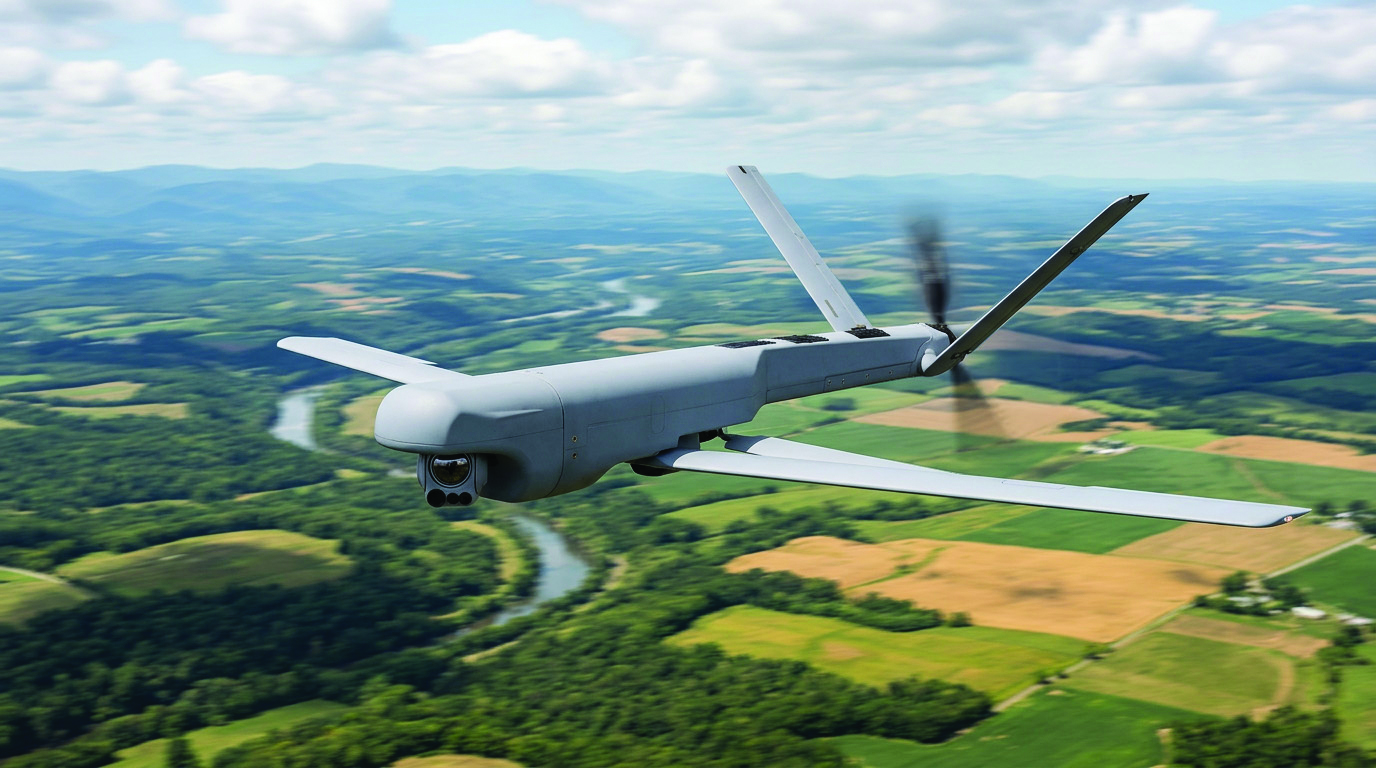
In a low-slung engineering building in Solana Beach, California, a team works through a Sunday most of the country has given over to football, racing to answer a call from the Pentagon about a war that hasn’t started yet.
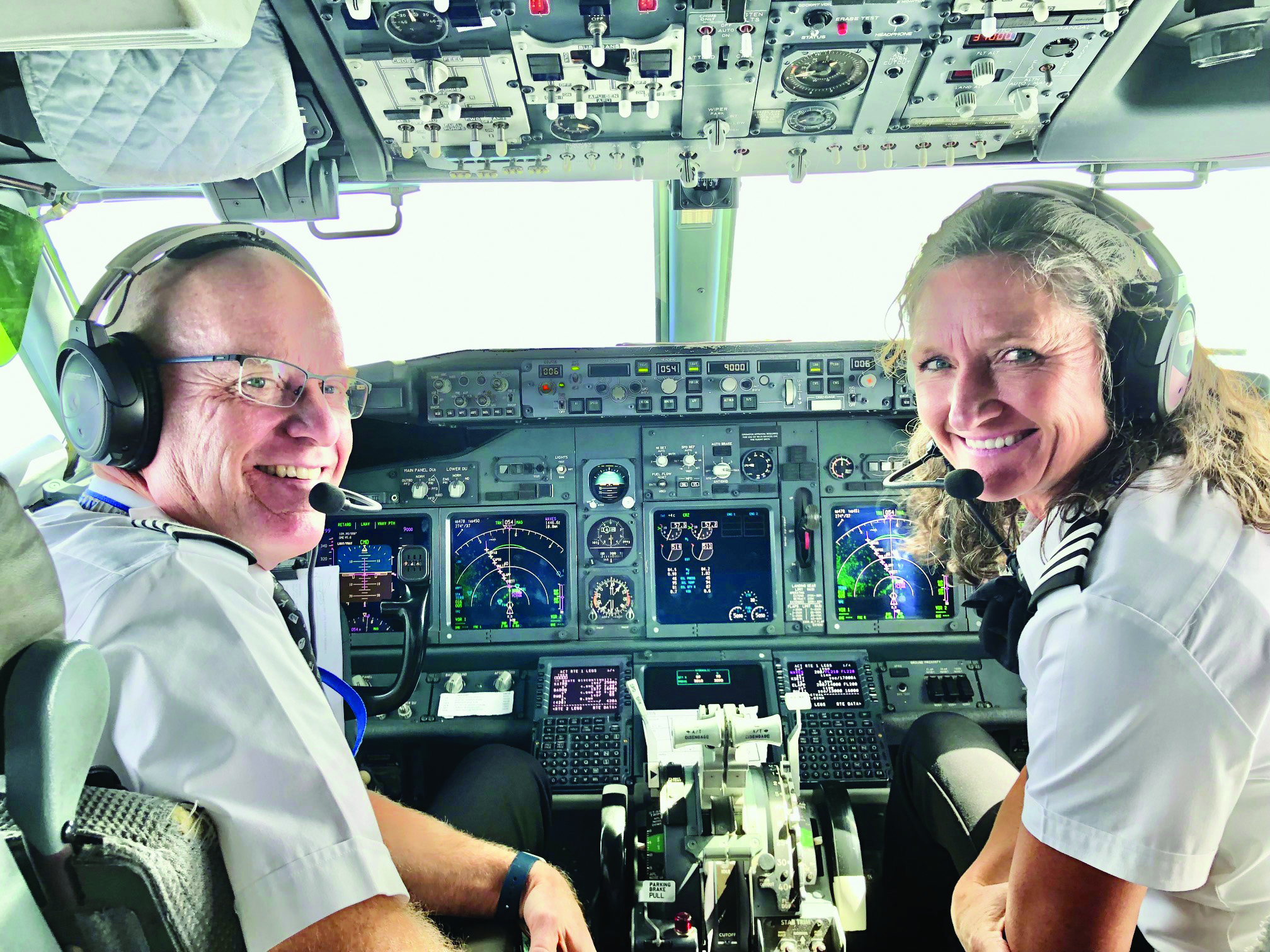
And somewhere over Texas, a Southwest 737 settles into cruise while its first officer runs through a checklist she’s completed a thousand times before, because the thousand-and-first time is the one that counts.
Three graduates of the U.S. Air Force Academy. Two industries where the margin for error looks different but the standard doesn’t. And one common condition: In each of their worlds, “failure isn’t an option” is more than a motivational line on a wall — it’s the actual operating standard of the jobs.
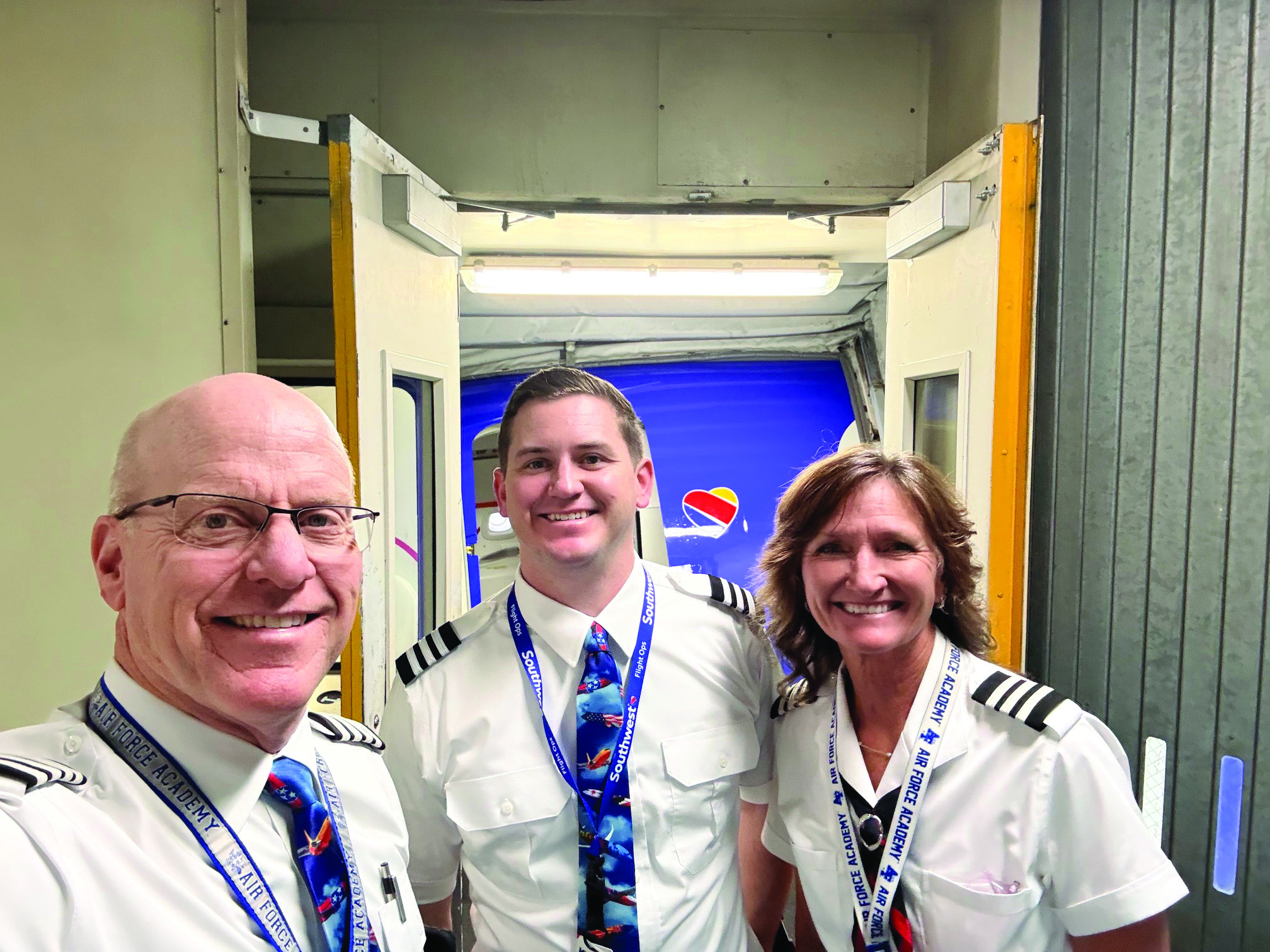
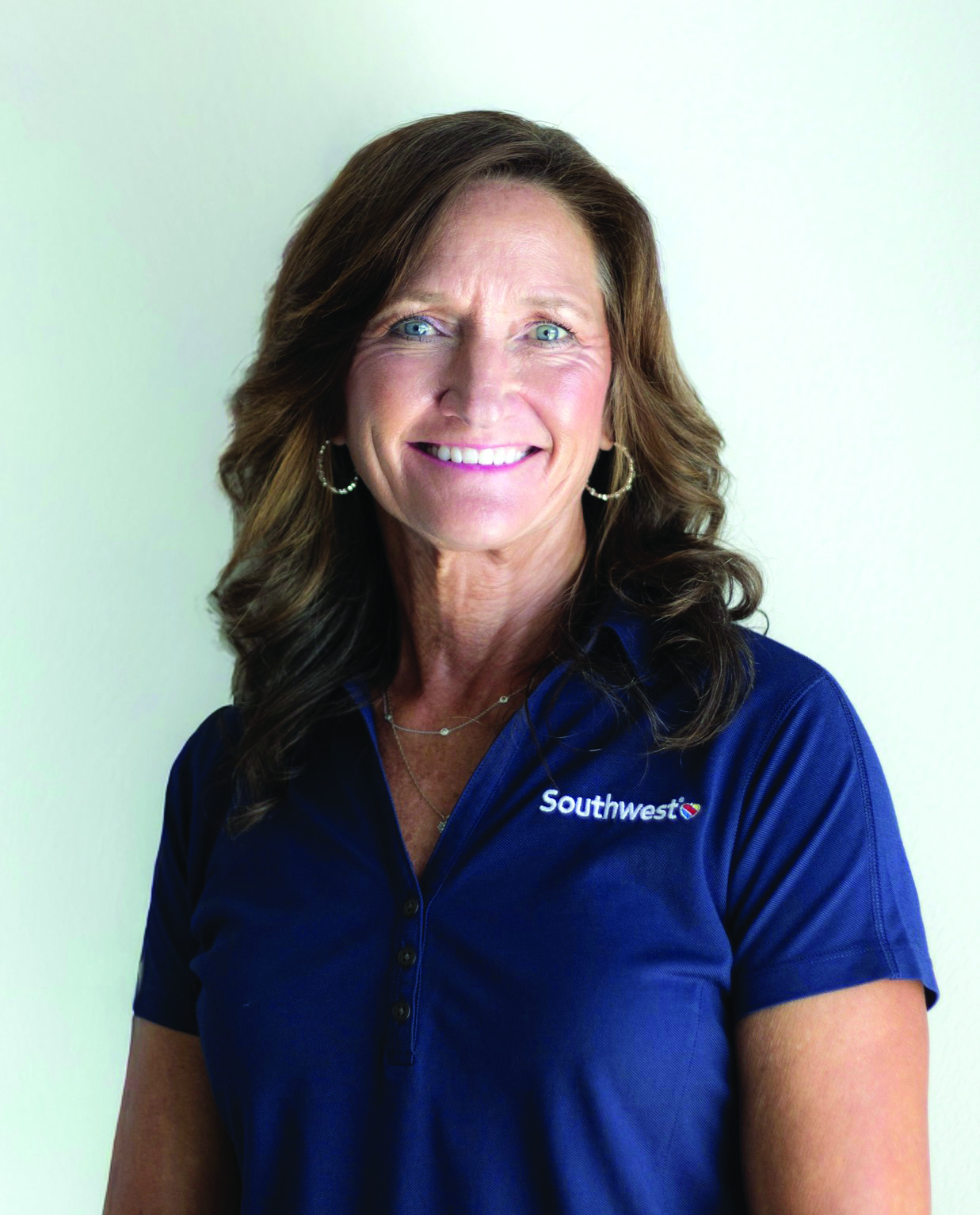
As CEO of United Airlines, Kirby leads one of the largest airlines in the world. Brian Raduenz ’88 founded AEVEX Aerospace, which builds autonomous systems now flying real missions in an active war. Tamaron Nicklas ’86 flies a Southwest 737 out of Dallas Love Field, the same cockpit her husband has occupied for more than three decades.
Different altitudes, different stakes — but ask each of them what failure actually means in their worlds, and their answers turn out to have more in common than their resumes would suggest.
WHAT THE ACADEMY LEFT BEHIND
Kirby’s answer to where his thinking was shaped starts, unexpectedly, not with risk.
“The best lesson I learned at the Academy was ‘no excuses, sir,’” he says.
He still repeats it today — he told a United vice president candidate the same thing hours before this Checkpoints interview.
“I don’t want to hear excuses,” Kirby says. “He can come to me with problems, come to me asking for help. But I don’t want to hear excuses.”
Raduenz traces his own standard to a mentor rather than a moment — Bill Grimes, a Vietnam veteran Raduenz still calls “a great warrior boss.”
“He taught us that the most important thing is taking care of those folks that you’re supporting, and everything else is secondary,” Raduenz says.
That lesson, learned decades before Raduenz ever ran a company, became the value AEVEX was deliberately built around as it grew from a handful of people who already understood the mission to a public company with hundreds of employees.
“As you get larger, culture no longer happens automatically,” he says. “You have to turn it into a very tangible process.”
For Nicklas, the standard came earlier still — watching her father, an Air Force fighter pilot, and later carrying it into her own cockpit as a KC-135 pilot and T-38 instructor, serving for seven and a half years in uniform before she stepped away to raise four children.
When she eventually found her way back to flying, first as an instructor, then at a regional airline, then at Southwest, the habits never left.
“I don’t like to fail,” she says of the grueling training she went through to learn glass-cockpit flying after decades away. “I just relied on things I had learned at the Academy, the Air Force — practice, practice, practice and preparation, training, discipline, professionalism.”

Stress tests
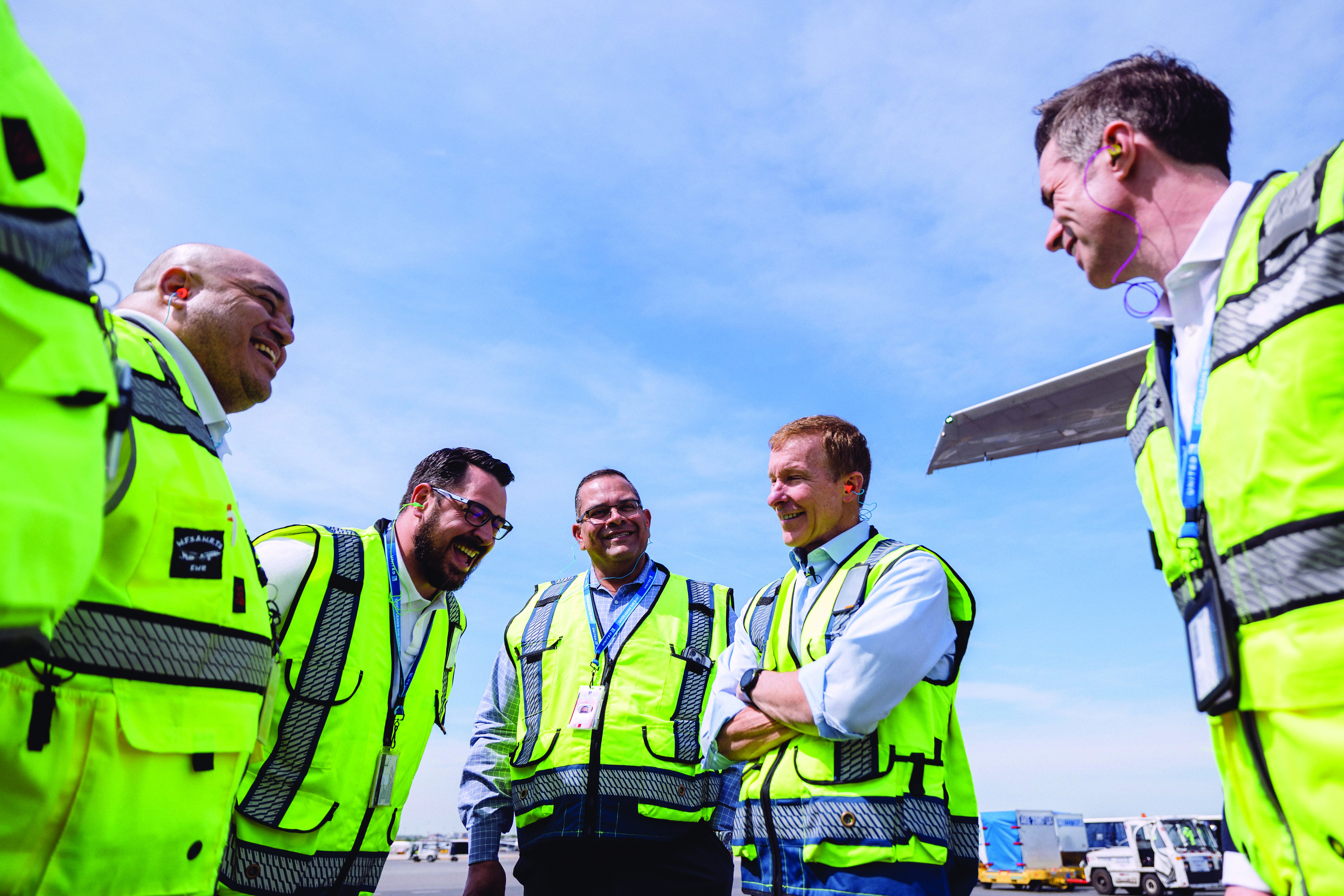
Every one of the three, like many Air Force Academy grads, has faced a moment when the theory got tested in real time. For Kirby, it was last year’s air traffic control breakdown at Newark Liberty International Airport, which triggered a drop in bookings he compared to the pandemic.
“I realized pretty quick that this wasn’t going to pass,” he says. He became the public face of United’s response, doing interviews on morning news shows and CBS’s Face the Nation, working to project confidence to the public and to his own employees at the same time. A year later, Kirby says Newark is running better than it ever has — now the most reliable of the three major New York-area airports.

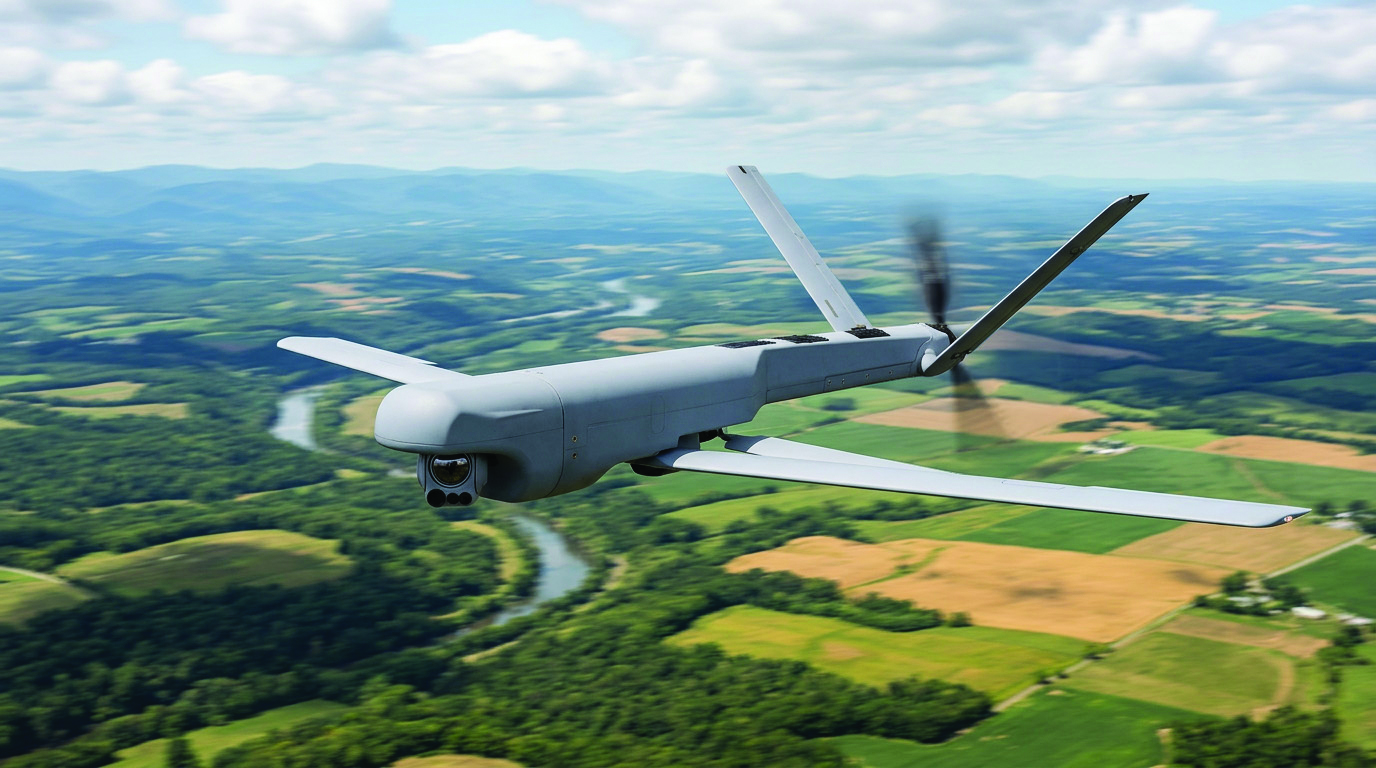
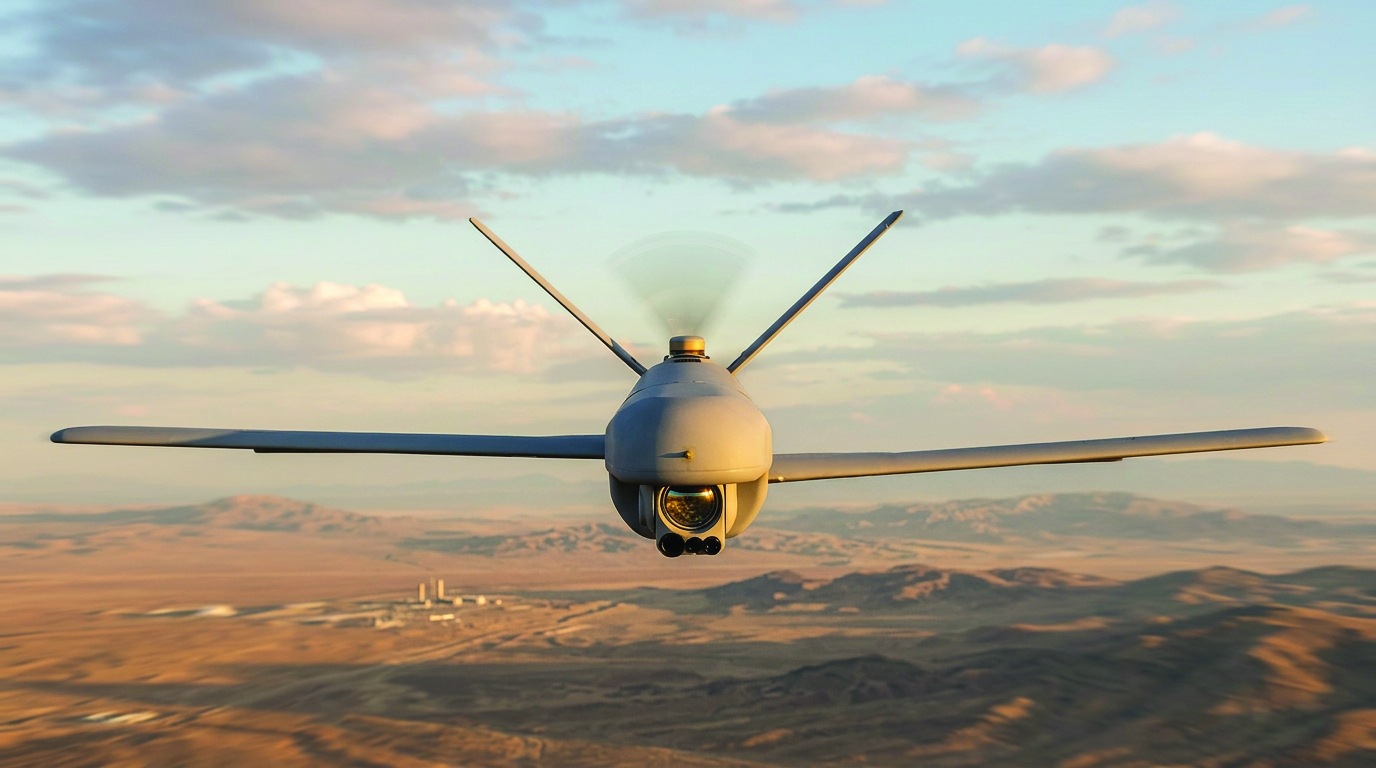
For Raduenz, it was early 2022, before most of the country had heard of Phoenix Ghost, an explosive drone. “We got the original call on Super Bowl Sunday,” he says. “We were all working, not watching football, putting together options.”
Just over a week later, Russia invaded Ukraine. By Easter Sunday, AEVEX was on contract — an emergency, open-ended agreement to move fast and sort out the details later. “We made Herculean efforts to get that stuff out the door,” Raduenz says. “We delivered our first batch in nine days.”
AEVEX has since delivered more than 5,000 Phoenix Ghost drones to Ukraine and will have shipped more than 9,000 systems total by the end of this year.
For Nicklas, the test wasn’t a single dramatic event but an entire training program. Returning to flying after 24 years away, she moved from a small flight school in Pueblo, Colorado, to a regional airline to build the jet experience she needed for her real goal: flying for Southwest, where she could finally serve alongside her husband, Larry ’85.
“Now it’s computers and glass screens, and a lot of information you have to process through at your fingertips,” she says. “There were times I wasn’t sure I was going to make it through the training program.”
She did and, in August 2022, she flew her first flight for Southwest with Larry in the seat beside her. He made the announcement to the cabin himself — his wife’s first flight with the airline. “The cabin kind of erupted in applause,” she says.
No hedge, no free roll
It’s in how each of them defines failure that the real differences, and the real common ground, show up. Kirby has made a career out of treating big decisions like calculated bets.
During COVID, while every other airline retired widebody aircraft, United kept its entire fleet and placed the largest aircraft order in its history. “It was a bet that had a really good expected value,” he says. “If it didn’t pan out, because everyone else was shrinking, we had a really big hedge.”
The bet paid off — United’s stock has roughly doubled since 2021. Earlier this year, Kirby pitched a merger with American Airlines to the Trump administration, an idea American rejected publicly. He doesn’t regret trying.
“The upside was so big, and the downside was essentially nothing,” he says. “It’s a free roll. And I’ll take a free roll every day.”
Asked directly what “failure isn’t an option” means to him, Kirby reframed the premise entirely in his answer. “To be honest with you, I don’t think of that at all,” he says. “I believe every crisis creates opportunity.” Raduenz offers his own definition of the same phrase, one built for an industry where the downside isn’t hedged; it’s measured in lives.
“It’s not about making every single thing that you build or that you do failure-proof,” he says. “It’s about never losing sight of who it is you’re supporting. Never give up on making everything that you’re providing to them better.”
AEVEX went public on the New York Stock Exchange in April, raising $320 million. Months earlier, Raduenz had stepped back from day-to-day leadership, handing the CEO role to Roger Wells while staying on as executive chairman. “I did not have the right background and experience to effectively take us to the next level,” he says. “What got us here won’t get us there.” When Nicklas was asked about Kirby’s and Raduenz’s answers, she didn’t hesitate.
“For us, no hedge and no free roll,” she says. “That looks like preparation, discipline, professionalism. Being prepared for every flight, even catastrophic events — we train for those, and they don’t often happen, fortunately. But we train for them because if they do happen, it’s our reputation on the line. It’s loss of life. It’s huge. We train so that doesn’t happen, because we don’t get another roll.” She sees her own version of Raduenz’s point about complacency, too.
“Even [during] a normal flight with nothing going wrong, there is still a lot happening,” she says. “There’s no room for complacency at all. The checklist keeps everything standardized.” Checklists, she noted, exist because of past accidents — often caused not by undertrained crews but by the most experienced ones missing something they assumed they already did. Three graduates, three definitions of a phrase that sounds simple until you ask someone who actually lives inside it.
For Kirby, it means treating risk as an equation, one where the math is almost always on your side if you’re willing to be bold. For Raduenz, it means never mistaking what you’ve already built for good enough. And for Nicklas, it means something neither hedged nor negotiable at all.
“As I heard my pastor say recently, planes that land safely don’t make the news,” she says. “If we have a failure, it could be loss of life, loss of equipment, loss of reputation — my own and the company’s. So, we have to be prepared and not accept failure.”